Psychiatrist in Lisbon
Pedro Zuzarte, a psychiatrist in Lisbon, sees patients at Rua Latino Coelho 87, close to Picoas and São Sebastião metro stations. You can book a psychiatry consultation directly, without a referral, in Portuguese, English or Spanish, at the practice or by video.
In brief
- The practice is on the ground floor; if you need any adjustment, just say so when booking.
- At the first consultation symptoms and life context are discussed, and the plan is agreed together.
- Video consultations suit people outside Lisbon; when an examination is needed, you are seen in person.
Where it is and getting there
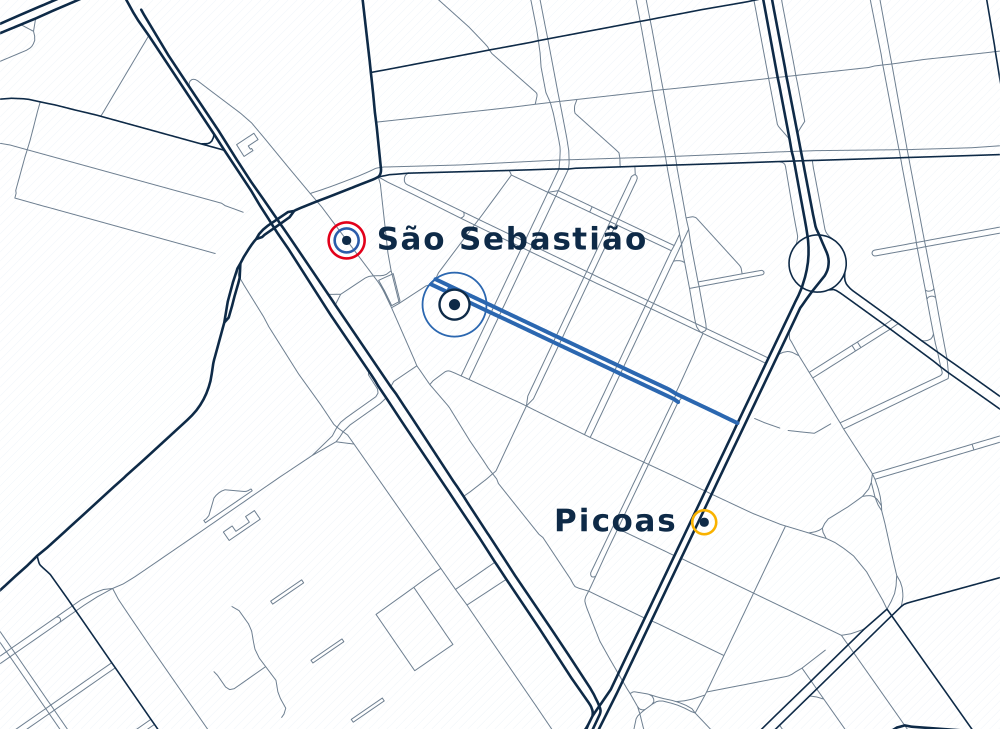 (opens Google Maps in a new tab)
- Rua Latino Coelho 87, R/C, 1050-134 Lisbon
- Metro: Picoas yellow line; São Sebastião blue and red lines. A few minutes on foot
- Bus: several Carris routes serve Saldanha and Picoas
- Car: paid on-street parking
- Public car parks nearby
- Ground floor. If you need any adjustment, say so when booking
What to expect
First consultation
- Symptoms, history, context
- A plan agreed together
- Reports, tests and medicines
Confidentiality
- Strictly confidential
- No clinical data on the form
Languages
- English or Spanish as well
- Reports in English
Video consultation
- For people outside Lisbon
- Examination: in person
Read more
After the first consultation, the plan is discussed with you. It may include medication, psychotherapy, changes to sleep and lifestyle, or a combination of these. Decisions are shared and take into account your preferences, your medical history and any other medicines you take. When you need them, reports and medical certificates can be issued and, with your consent, shared with other doctors. Follow-up appointments, coordination with other professionals and reports are described on the psychiatry consultation page.
If you have moved to Portugal, the consultation allows you to continue treatment started in another country. It helps to bring your reports and the active substance of each medicine, because brand names and strengths vary from country to country. Read more about consultations in English and Spanish and the guide for expats looking for a psychiatrist in Portugal.
Video consultations take place by video call (Zoom, Microsoft Teams or WhatsApp video), with the same structure and the same medical confidentiality, and work well for many follow-up appointments and several first assessments. When a physical examination is needed or the clinical situation is unstable, an in-person appointment is arranged. All you need is a computer, tablet or phone with a camera, a stable internet connection and a private space. When indicated, prescriptions are electronic and can be collected at any pharmacy in Portugal. From abroad, video consultations are subject to the rules of the country you are in. See how online psychiatry consultations work.
When to see a psychiatrist
When distress lasts for weeks, weighs on daily life or what you have tried has not been enough.
- Sadness or low energy for more than two weeks
- Anxiety or panic attacks that make you avoid situations
- Persistent insomnia or marked changes in appetite
- Mood, irritability or impulsivity out of character
- Memory or concentration failing at work
- Alcohol or other substances to cope with daily life
Read more
A consultation is also useful when there are doubts about a diagnosis or medication, when current treatment is not working, or when mental symptoms appear alongside a physical illness, such as cardiovascular disease. You do not need to be «very unwell» to book: an earlier assessment can help start treatment sooner.
Psychiatry consultations in Lisbon
The consultation assesses symptoms such as persistent sadness, anxiety, panic attacks, insomnia, memory and attention difficulties or mood changes, and reviews diagnoses and current treatments, including requests for a second opinion. See how a psychiatry consultation works.
What is treated at the practice
Each page explains the symptoms, assessment and treatment. If you are not sure where to start, see what a psychiatrist treats or the difference between a psychiatrist and a psychologist.
Mood and depression
Anxiety
Sleep, stress and exhaustion
Attention, memory and ageing
Trauma, grief and relationships
Psychosis and substance use
New therapeutic approaches
Read more
Mood and depression
Persistent sadness, loss of interest and lack of energy can be signs of depression. When two or more adequate treatments have not worked, it is called treatment-resistant depression, and ketamine and esketamine therapy is one of the options to consider. Consultations also cover postpartum depression, bipolar disorder and the decision to stop antidepressants safely.
Anxiety
Anxiety becomes a problem when it is out of proportion, persistent or limits daily life. It can take the form of constant worry, in generalised anxiety disorder, intense fear of social situations, in social anxiety, sudden panic attacks, or repetitive thoughts and rituals, as in obsessive-compulsive disorder.
Sleep, stress and exhaustion
Long-lasting insomnia deserves its own assessment, because treatment goes beyond sleeping medication. Work-related burnout and exhaustion, and the demands faced by people under pressure to perform, have a consultation dedicated to mental health and performance.
Attention, memory and ageing
ADHD in adults can go unnoticed for years. Memory and attention complaints, or cognitive difficulties, often have treatable causes, such as depression, sleep problems or medication side effects, and an assessment helps to tell them apart from dementia. The links between the heart, the brain and mood are explained on the page about mental health, cardiovascular disease and dementia.
Trauma, grief and relationships
After a traumatic event, post-traumatic stress disorder can keep intrusive memories, avoidance and a constant state of alert going. Grief that lasts or becomes complicated, and borderline personality disorder, with instability in emotions and relationships, are also followed up in consultation.
Psychosis and substance use
Psychosis, with changes in perception and thinking, calls for a prompt assessment and close follow-up. The use of alcohol and other substances is assessed with the same confidentiality, often together with the anxiety or depression that comes with it.
New therapeutic approaches
Ketamine and esketamine are an option to consider in treatment-resistant depression, and psychedelic-assisted therapy is being studied in several conditions, such as depression, anxiety and post-traumatic stress. Whether it is indicated is always decided after a psychiatric assessment.
Frequently asked questions
Can someone come with me to the appointment?
Yes, if you wish. When useful, part of the consultation is with you alone.
Do I need a diagnosis to book?
No. You can book based on how you feel or what worries you.
Written and reviewed by Pedro Zuzarte, psychiatrist · Last reviewed:
A psychiatric assessment can be the first step.
If you are looking for psychedelic therapy, KETAMED is the clinic dedicated to this field.
Discover KETAMED (opens in a new tab)
Follow KETAMED: Instagram (opens in a new tab) · Facebook (opens in a new tab)