Mental health shapes the way we train, work, make decisions and recover. In demanding settings, looking after psychological health helps to make sense of difficulties, protect balance and build performance that lasts.
Care starts with an individual assessment. It can address symptoms or distress, but also difficulties related to pressure, sleep, recovery, motivation and adapting to different stages of life.
Mental health in high-performance sport
High-performance sport combines physical demands, competitive pressure and constant evaluation. Injuries, disrupted sleep, anxiety, career changes and periods of lower performance can affect wellbeing and an athlete’s relationship with competition.
Psychiatric care seeks to understand the person beyond the results. It may include assessment of symptoms, sleep health, recovery and emotional regulation, and liaison with the professionals involved, when appropriate and with the athlete’s consent.
Pedro Zuzarte works with athletes and in collaboration with organisations in the high-performance field, including high-performance units and sports clubs. His work in cardiology and cardiovascular rehabilitation complements his attention to the links between physical health, mental health and performance.
Topics that may be addressed
competitive pressure and anxiety;
sleep, fatigue and recovery;
adapting to injury and returning to competition;
motivation, identity and career transitions;
symptoms of depression or other mental health difficulties.
Warning signs
A drop in performance with no physical explanation, loss of motivation or enjoyment in training, irritability, pre-competition anxiety that does not ease, persistent insomnia, changes in appetite or weight, use of alcohol or other substances and withdrawal from the team are signs that warrant an assessment.
Medication and sport
Choosing medication for an athlete takes into account its effect on performance, sleep and the cardiovascular system, as well as anti-doping rules. Some substances used in psychiatry are on the Prohibited List and require a therapeutic use exemption. These decisions should be made with knowledge of the rules in force.
Confidentiality
Consultations are confidential, including with regard to clubs and federations, unless the athlete consents.
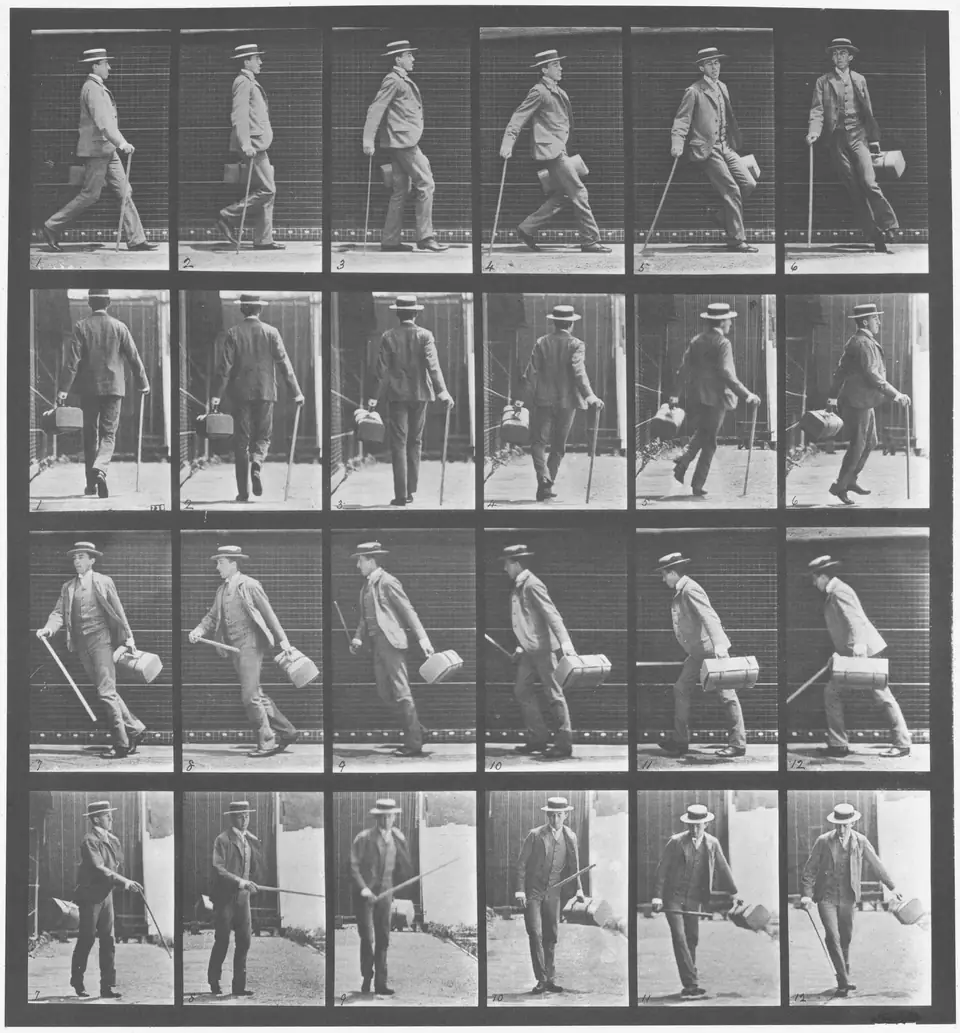
Muybridge studied human movement by breaking it down into phases. Sustainable performance also depends on what happens between effort and recovery.
Eadweard Muybridge, Animal Locomotion, plate 49 (vol. VII), 1887. Photogravure. The Metropolitan Museum of Art, New York. Public domain. Catalogue record (external site)
Mental health and performance at work
At work, mental health also depends on how work is organised, on professional relationships and on the conditions in which people carry out their roles. Overload, lack of recovery and conflict can undermine wellbeing, motivation and the ability to work sustainably.
Pedro Zuzarte also works with companies on burnout, mental health at work and motivation in organisational settings. The approach considers both individual needs and the features of the working environment that contribute to the difficulties.
Depending on the context, this may involve individual clinical assessment, collaboration with teams and talks on mental health. Clinical care keeps its confidentiality and independence.
Topics that may be addressed
burnout and signs of overload;
stress, sleep and recovery;
motivation and engagement at work;
the demands of leadership roles;
conditions that support sustainable performance.
Mental health and human optimisation
Human optimisation can be understood as work on the conditions that allow us to live and function better: sleep, physical activity, recovery, habits, emotional regulation and clear goals.
From a clinical perspective, it starts by understanding the person’s health, identifying treatable difficulties and setting realistic priorities. It does not mean pursuing limitless performance or automatically turning to medication or supplements to boost output.
Pedro Zuzarte brings this attention to health and functioning into his work with people who want to improve their balance, their capacity to recover and the way they respond to personal and professional demands. In this work he collaborates with Pedro Escudeiro, physiotherapist and osteopath and author of the book Optimização Humana (Oficina do Livro, 2023).
Topics that may be addressed
quality and regularity of sleep;
the balance between effort and recovery;
attention, organisation and overload;
habits that support physical and mental health;
personal goals and sustainable performance.
An individual approach
The needs of an athlete, of someone in a corporate setting or of someone who wants to function better are different. An assessment helps to understand what is limiting wellbeing, what the goals are and which intervention may make sense.
Is information from the consultation shared with the club?
Not without your consent. The consultation is protected by medical confidentiality: clinical information is only shared with coaches, clubs or federations with the athlete’s consent or when required by law.
Can I take antidepressants and keep competing?
In many cases, yes. The choice considers the effect on performance and anti-doping rules, and some substances require a therapeutic use exemption.
When should an athlete see a psychiatrist?
When there is persistent distress, an unexplained drop in performance, insomnia, substance use or difficulties after an injury or at the end of a career.
Does an employee’s care involve sharing information with their employer?
Not without their consent. Individual care is protected by medical confidentiality, and clinical information is only shared with the person’s consent or when required by law.
What is the difference between an individual consultation and work with an organisation?
An individual consultation has a clinical purpose: to assess and treat one person’s difficulties. Work with an organisation looks at the context, such as workload, how work is organised or recovery, and does not replace individual assessment for those who need it.
Does optimising mental health necessarily involve medication?
No. It starts with an individual assessment and considers sleep, recovery, habits and each person’s circumstances. Medication is only considered when there is a clinical indication, not as a way to boost performance.
Can I seek support without an established diagnosis?
Yes. A consultation can be used to assess difficulties with functioning, fatigue or questions about your own mental health. Not every difficulty is an illness, and an assessment helps clarify what does, or does not, need treatment.
References
Reardon CL, et al. Mental health in elite athletes: International Olympic Committee consensus statement (2019). Br J Sports Med. 2019;53(11):667–699.
Gouttebarge V, et al. Occurrence of mental health symptoms and disorders in current and former elite athletes: a systematic review and meta-analysis. Br J Sports Med. 2019;53(11):700–706.
World Anti-Doping Agency. Prohibited List, updated annually.
World Health Organization. WHO guidelines on mental health at work. Geneva: WHO; 2022.
This page is for information only and does not replace an individual medical assessment. Clinical review: Pedro Zuzarte, psychiatrist · Published and reviewed: .