
Article
The relationship between depression, cognition and the cardiovascular system
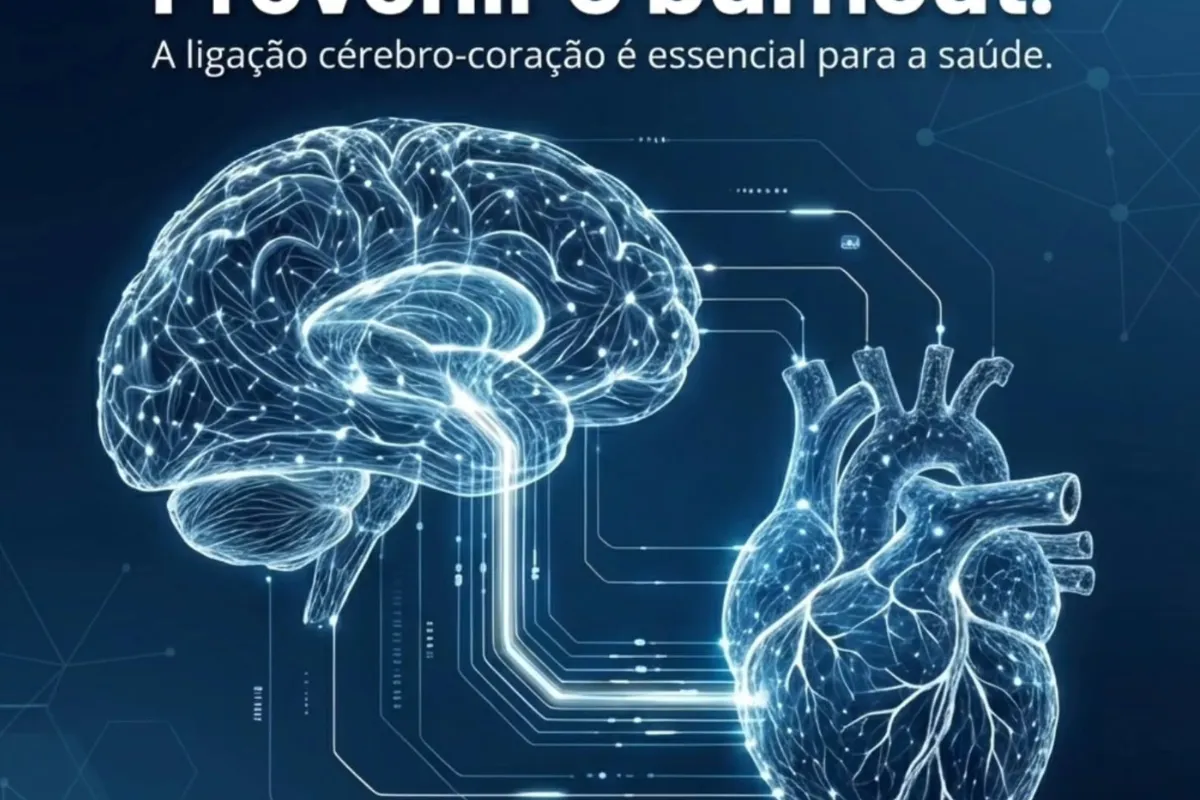
A popular science article by Pedro Zuzarte, published on the Live-Med blog in October 2020, on the interlinked dysfunction of the cognitive, cardiovascular and mood systems in depression, with oxidative stress as the central mechanism, and on preventive measures for cognitive health.
Key ideas
- The body is an integrated biological system, yet mental health tends to be neglected when several physical problems need treating; the author calls for a “less sectarian and closed” approach.
- Cognitive deficits are closely linked to depression and may be among its first signs; having repeated depressions over a lifetime is described as a risk factor for dementia later in life.
- Takotsubo, or “broken heart”, syndrome, triggered by sudden and intense distress, is given as an example of the power emotions have over the heart’s physiology.
- Depressive symptoms correlate with NT-proBNP, a prognostic marker in heart failure, and indirectly with ejection fraction.
- Oxidative stress appears crucial: it may be linked to reduced BDNF, lower nitric oxide bioavailability, endothelial dysfunction and lipid peroxidation, and is intertwined with inflammation.
Read more
Context
An article published on 16 October 2020 on the Live-Med blog, written by Pedro Zuzarte. It starts from the link, known from epidemiological data and comorbidity studies, between depression, cognitive decline and cardiovascular problems, and argues that recent pathophysiological findings have taken it “to another level”.
Prevention
Until therapies targeting these mechanisms are available, the article sees prevention as the best tool and cites the work of The Lancet commission on dementia prevention. The measures mentioned are physical activity, building cognitive reserve, social life, control of high blood pressure, obesity, smoking and diabetes, and treatment of mood disorders across the lifespan. It concludes that treating one corner of the mood, cognition and heart triad means looking at the other two.
References cited in the original article (selection)
- Marvel CL, Paradiso S. Cognitive and neurological impairment in mood disorders. Psychiatr Clin North Am. 2004;27(1):19-viii.
- Dhar AK, Barton DA. Depression and the link with cardiovascular disease. Front Psychiatry. 2016;7:33.
- Halaris A. Inflammation-associated co-morbidity between depression and cardiovascular disease. Curr Top Behav Neurosci. 2017;31:45-70.
- Kato K, Lyon AR, Ghadri JR, Templin C. Takotsubo syndrome: aetiology, presentation and treatment. Heart. 2017;103(18):1461-9.
- Zuzarte P, Scola G, Duong A, Kostiw K, Figueira ML, Costa-Vitali A. NT-proBNP is a potential mediator between reduced ejection fraction and depression in patients with heart failure. J Psychiatr Res. 2018;104:8-15.
- Livingston G, Huntley J, Sommerlad A, Ames D, Ballard C, Banerjee S, et al. Dementia prevention, intervention, and care: 2020 report of the Lancet Commission. Lancet. 2020;396(10248):413-46.
Zuzarte P. Relação entre depressão, cognição e aparelho cardiovascular. Live-Med [Internet]. 2020 out 16. Original page no longer available.

A psychiatric assessment can be the first step.
If you are looking for psychedelic therapy, KETAMED is the clinic dedicated to this field.
Discover KETAMED (opens in a new tab)
Follow KETAMED: Instagram (opens in a new tab) · Facebook (opens in a new tab)