
Opinion
Depression is “highly correlated” with a higher risk of cardiovascular disease
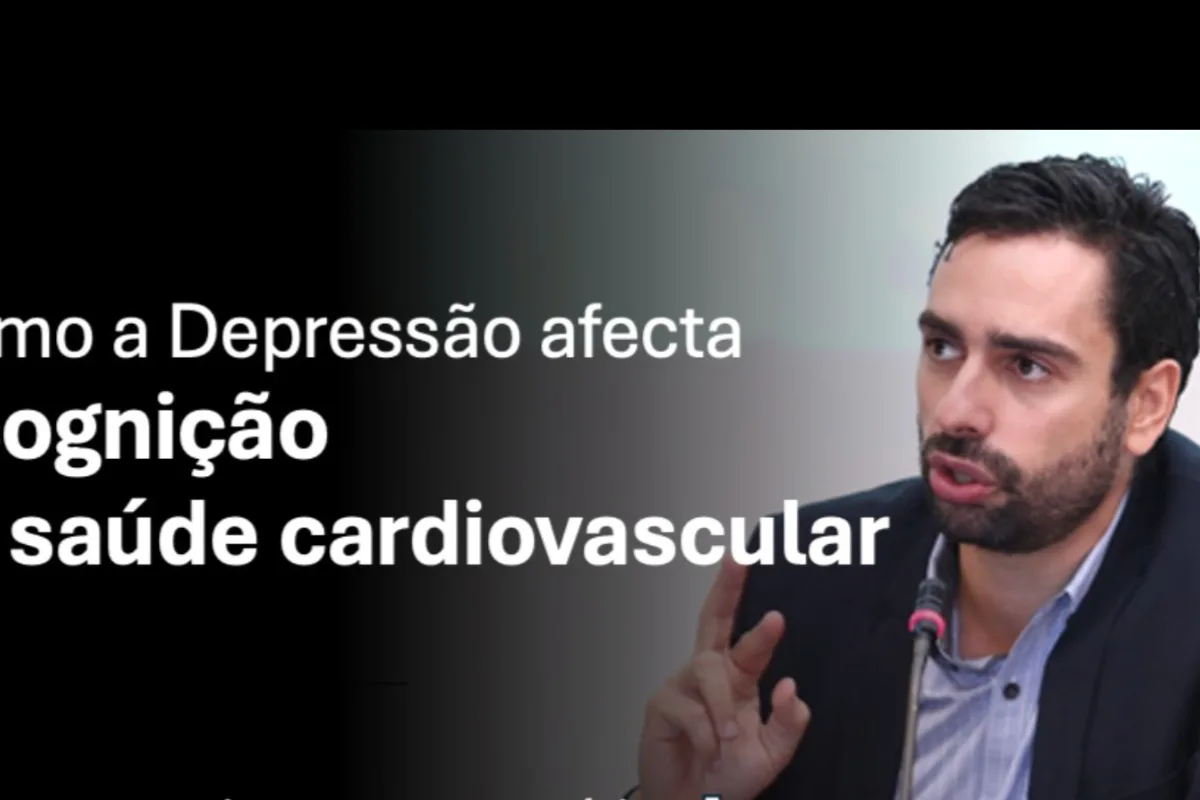
Describes the association between depression and a higher cardiovascular risk and worse prognosis, especially in heart failure. Presents the author's team's findings on the relationship between depressive symptoms, NT-proBNP and ejection fraction, and argues for cross-screening between psychiatry and cardiology.
Key ideas
- Depressive symptoms are common in heart failure and worsen the prognosis.
- NT-proBNP emerges as a possible mediator between cardiac dysfunction and depression.
- Psychiatry and cardiology benefit from screening for each other's conditions.
Read more
Context
The article was written for the newspaper of the 14th National Congress of Psychiatry, at which Pedro Zuzarte was a speaker, and reproduced by Just News on 31 January 2020. It starts from a popular image, that heart and mind have “opposing wills”, to argue that, from a clinical and pathophysiological point of view, this idea “could not be further from the truth”.
What the article describes
- In heart failure, according to the article, the prevalence of depressive symptoms can reach 45%. The comorbidity increases emergency department use and hospitalisations for decompensation, independently increases the risk of cardiovascular death and worsens quality-of-life indicators.
- The high frequency of depression in these patients is not explained solely by a psychological reaction to heart disease: there are pathophysiological changes that contribute to clinical worsening and a poorer prognosis.
- Studies by the author’s group found an association between depressive symptoms and poorer systolic function (reduced ejection fraction), in addition to the association already described with markers of poor prognosis. Patients with depressive symptoms had higher NT-proBNP and lower ejection fraction.
- The work suggests that these three variables share pathophysiological pathways, with emphasis on a possible mediating role for NT-proBNP.
Implications for practice
The article notes that, according to the WHO, depression was reaching first place among the causes of disability that year, measured in DALYs, and that cardiovascular disease is the leading cause of death worldwide. It argues that good practice in psychiatry should include consistent screening for cardiovascular risk factors and that cardiology should not neglect the presence and treatment of depressive symptoms.
The original study is summarised in NT-proBNP, ejection fraction and depression in heart failure.
Where and when it was published
Newspaper of the 14th National Congress of Psychiatry; reproduced by Just News on 31 January 2020.
Zuzarte P. A depressão está “altamente correlacionada” com maior risco de doença cardiovascular. Just News [Internet]. 2020 jan 31. Publicado originalmente no Jornal do XIV Congresso Nacional de Psiquiatria. Disponível em: https://justnews.pt/artigos/a-depressao-esta-altamente-correlacionada-com-maior-risco-de-doenca-cardiovascular


A psychiatric assessment can be the first step.
If you are looking for psychedelic therapy, KETAMED is the clinic dedicated to this field.
Discover KETAMED (opens in a new tab)
Follow KETAMED: Instagram (opens in a new tab) · Facebook (opens in a new tab)