
Article
Pathophysiology of depression: beyond monoamines
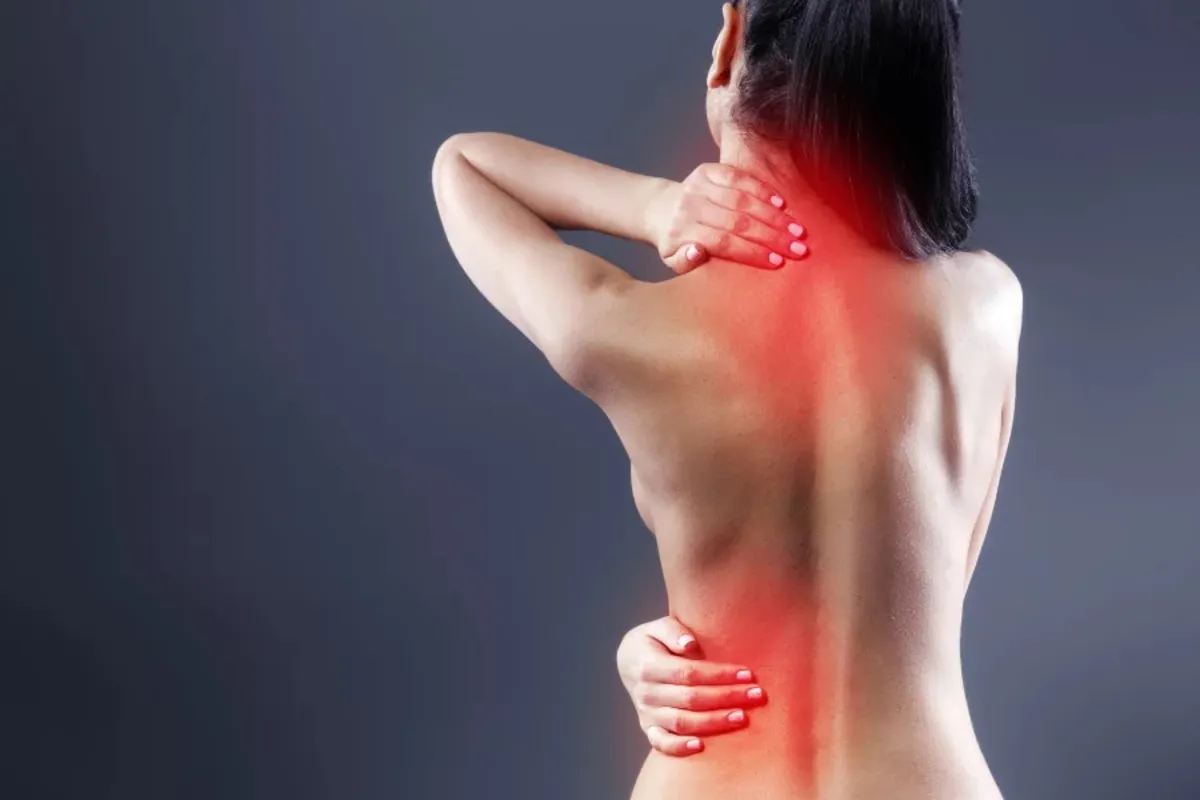
An article by Pedro Zuzarte that challenges the idea that depression is limited to the psychological sphere. It describes biological mechanisms studied beyond the monoamine hypothesis, such as inflammation, oxidative stress, the hypothalamic-pituitary-adrenal axis, the microbiome, BDNF and reduced hippocampal volume.
Key ideas
- The idea that depression acts only on the psychological and behavioural sphere is described as “an idea of the past”.
- The model in which depression amounts, in organic terms, to a functional reduction in serotonergic, dopaminergic or noradrenergic neurotransmission is presented as outdated.
- The article lists, with references, changes associated with depression: systemic, central and peripheral inflammation; oxidative stress; disruption of the hypothalamic-pituitary-adrenal axis and of cortisol release; changes in the gut microbiome; reduced BDNF; and reduced hippocampal volume.
- For the author, this evidence marks a paradigm shift in a specialty seen as dealing with “functional” disorders. Psychological and relational factors remain at the heart of psychiatry, but it can no longer be regarded as a specialty without organic consequences.
- He allows that, in future, magnetic resonance imaging and molecular laboratory tests may help with diagnosis and staging, and sees this as a way of validating the importance of mental health rather than a threat to the specialty’s identity.
Read more
Context
An article published on 5 March 2021 on the Live-Med blog, written by Pedro Zuzarte. It argues that medical education about the biological dimension of depression is essential, especially among health professionals who do not work directly in mental health, so that this mood disorder is no longer neglected.
References cited in the original article
- Zuzarte P, Duong A, Figueira ML, Vitali AC, Scola G. Current therapeutic approaches for targeting inflammation in depression and cardiovascular disease. Curr Drug Metab. 2018;19.
- Mommersteeg PMC, Schoemaker RG, Naudé PJW, Eisel ULM, Garrelds IM, Schalkwijk CG, et al. Depression and markers of inflammation as predictors of all-cause mortality in heart failure. Brain Behav Immun. 2016;57:144-50.
- Ozcan ME, Gulec M, Ozerol E, Polat R, Akyol O. Antioxidant enzyme activities and oxidative stress in affective disorders. Int Clin Psychopharmacol. 2004;19(2):89-95.
- Keller J, Gomez R, Williams G, Lembke A, Lazzeroni L, Murphy GM, et al. HPA axis in major depression: cortisol, clinical symptomatology and genetic variation predict cognition. Mol Psychiatry. 2017;22(4):527-36.
- Winter G, Hart RA, Charlesworth RPG, Sharpley CF. Gut microbiome and depression: what we know and what we need to know. Rev Neurosci. 2018;29(6):629-43.
- Monteleone P, Serritella C, Martiadis V, Maj M. Decreased levels of serum brain-derived neurotrophic factor in both depressed and euthymic patients with unipolar depression and in euthymic patients with bipolar I and II disorders. Bipolar Disord. 2008;10(1):95-100.
- Elvsåshagen T, Zuzarte P, Westlye LT, Bøen E, Josefsen D, Boye B, et al. Dentate gyrus-cornu ammonis (CA) 4 volume is decreased and associated with depressive episodes and lipid peroxidation in bipolar II disorder: longitudinal and cross-sectional analyses. Bipolar Disord. 2016;18(8):657-68.
Zuzarte P. Fisiopatologia da depressão: além das monoaminas. Live-Med [Internet]. 2021 mar 5. Original page no longer available.

A psychiatric assessment can be the first step.
If you are looking for psychedelic therapy, KETAMED is the clinic dedicated to this field.
Discover KETAMED (opens in a new tab)
Follow KETAMED: Instagram (opens in a new tab) · Facebook (opens in a new tab)